BLOG
What Should Buyers Verify Before Choosing Bakery Gas Oven Manufacturers?
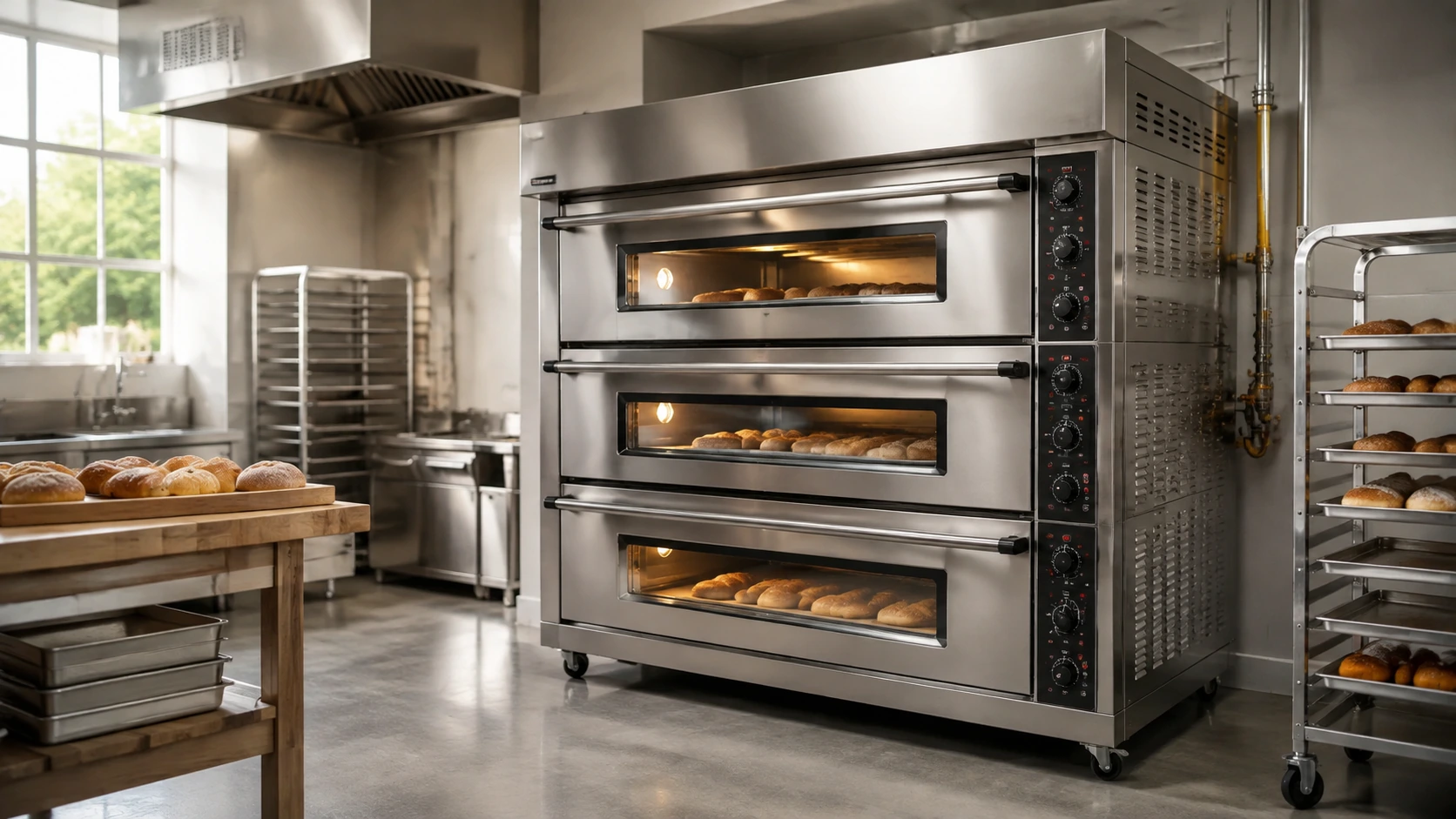
Choosing among bakery gas oven manufacturers is not mainly a price comparison. The first task is to confirm that every quotation refers to the same tray format, deck arrangement, control option, gas supply assumption, installation boundary and document package. Without that alignment, two gas deck oven offers may describe different equipment scopes.
Jinmaide lists its GAS DECK OVEN under Commercial Baking Ovens and identifies instrument-controlled and computer-controlled options. That product information gives buyers a starting point, but the final selection still depends on the bakery workflow, site utilities and approval requirements.
Start With the Bakery Workflow and Site Conditions
A useful supplier comparison begins with the work the oven must support. Record the bakery products, actual tray or pan dimensions, loads per operating period, product changeovers, operator experience and whether different products must run at the same time. These inputs show whether the proposed deck and chamber arrangement fits the production rhythm. A daily output target alone is not enough: two bakeries may produce the same quantity while requiring very different loading sequences and control routines.
Existing Bakery Upgrade
An upgrade project usually inherits fixed conditions: existing trays, a known doorway and delivery route, an established hood position, current utilities and limited shutdown time. The proposed oven should therefore be checked against usable chamber dimensions, tray loading direction, overall envelope, door movement, connection points and service access. The quotation must identify which site information has been used and which utility or installation points still require local confirmation.
New Commercial Kitchen Project
A new kitchen offers more layout freedom, but it also links equipment approval to ventilation design, utilities and construction timing. External dimensions affect the aisle and loading position; gas and auxiliary electrical requirements affect the utility schedule; and service zones affect the hood, wall and adjacent equipment layout. A dimensioned drawing and the available installation guidance should therefore be reviewed by the kitchen designer and local installer before the configuration is approved.
Distributor or Chain-Store Standardization
A distributor or chain buyer may be standardizing one oven concept across several sites. Tray format, control-panel type, operating procedure and included accessories may remain fixed, while gas conditions, electrical supply, ventilation and approval documents can change by location. A complete response separates the base configuration from site-dependent items and identifies which inputs must be reconfirmed for every project.
Confirm the Exact Gas Deck Oven Configuration Being Quoted
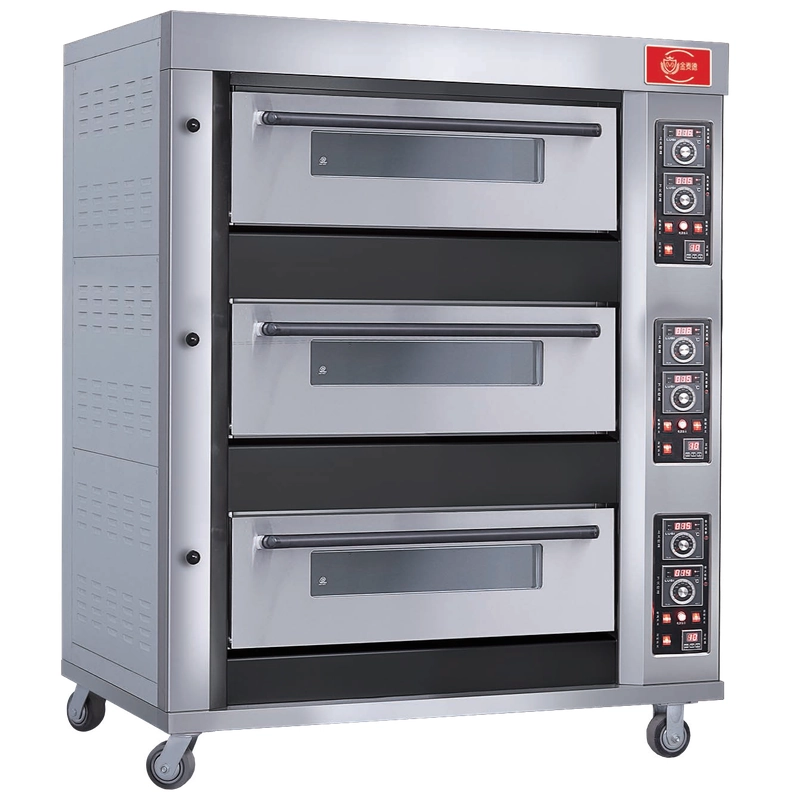
“Gas deck oven” is a product family description, not a complete purchase specification. The quotation needs to identify the deck and chamber arrangement, tray format, gas assumption, control panel, external dimensions, support arrangement, accessories and document scope.
| RFQ Input | Why It Changes the Decision | What the Supplier Should Confirm |
|---|---|---|
| Bakery product and tray size | Defines chamber use, loading method and batch planning. | Proposed deck layout, tray compatibility and stated limitations. |
| Gas type and site conditions | Affects the offered configuration and installation review. | Gas assumption used in the quotation and missing site inputs. |
| Control-panel preference | Changes operation, setting repeatability and service scope. | Instrument-controlled or computer-controlled configuration. |
| Kitchen layout and ventilation | Affects dimensions, clearance, exhaust planning and service access. | Layout information, installation guidance and clearance assumptions. |
| Documentation requirements | Determines whether the offer can be approved and inspected. | Drawings, manuals, packing information and inspection documents included. |
Each field changes either the proposed configuration, the quotation boundary or the buyer’s ability to compare offers. Completing the table for a named model or series is more useful than accepting a general catalogue statement.
Deck quantity and usable capacity should also be read together. More decks may increase scheduling flexibility, but only when the tray format, product height, loading sequence and independent operating needs match the planned workflow. The quotation should therefore connect its proposed arrangement to the buyer’s batch plan instead of presenting deck count as an isolated capacity claim.
Tray Size Must Be Matched to Usable Chamber Space
Tray compatibility is more specific than a nominal tray count. Give the manufacturer the full tray or pan dimensions, including rims, handles or frames that affect loading. State the preferred loading direction and the height of the product or pan. A tray may fit the chamber footprint when rotated but create an awkward handling sequence, while a chamber may accept the tray length and width yet lack the vertical clearance required for the product.
The evidence is a dimensioned drawing or an explicit model-level confirmation showing usable chamber dimensions and the loading opening. Compare that information with the actual tray drawing before the order is released. This check protects more than capacity: it affects operator movement, batch planning and whether the bakery can retain its existing tray system.
Write the Control Option Into the Quotation
Jinmaide’s published information for the GAS DECK OVEN identifies two series with different operation panels: instrument-controlled and computer-controlled. The quotation should name the selected series rather than use the generic phrase “digital control” or “computer control.” It should also identify the functions included in the offered panel and any functions that are optional or chamber-dependent.
Control selection should follow the operating method. A stable product range may favor direct, straightforward setting, while a multi-product or chain operation may value more controlled repetition and changeovers. The deciding evidence is the actual function list and operating manual for the quoted panel, not the control label alone.
Review Gas, Ventilation and Installation as One Site Decision
The site review should bring together the available gas type, installer-requested supply information, kitchen layout, ventilation route, service access and applicable local requirements. These conditions narrow the acceptable oven configuration and determine what must appear in the project drawing. A model can fit the floor area yet still place a connection where it cannot be reached or conflict with the hood and clearance plan.
The manufacturer provides model-level connection data and installation guidance; the kitchen designer, installer and responsible local parties confirm the site-side design. The quotation should state its assumptions, and the approved layout should show the oven, hood, walls, loading aisle, utility connections and service zones.
Site conditions limit the gas and ventilation arrangement; those constraints narrow the acceptable configuration; and the selected configuration defines the drawing and installation scope. Unresolved mismatches can lead to relocated utilities, hood changes, restricted access or delayed approval. Model-specific data and an approved layout close this risk more effectively than a product photograph or a general promise of “standard” installation.
Compare Supplier Evidence Before Comparing Price
Supplier evidence should become more specific as the project moves from discovery to purchase approval. Each stage should answer a different question: does the product family fit, is the quoted configuration comparable, and can the final scope be approved and inspected?
Early Screening
Early screening confirms whether the supplier offers the relevant commercial baking oven family and whether a gas deck oven can support the intended tray-based workflow. Category and product pages are suitable for removing obvious mismatches, not for locking the purchase specification.
Supplier Shortlist
The shortlist stage needs a named model or series and a defined configuration. Compare the control option, deck and chamber arrangement, tray format, overall dimensions, gas assumptions and included accessories. Standard supply, options and exclusions must be separated so that two offers represent the same equipment boundary.
Purchase Approval
Purchase approval connects the quotation to what will be supplied and inspected. Review the operating manual for the selected panel, installation information for the proposed configuration, packing basis, accessory list and inspection scope. A deviation schedule should show every point that differs from the RFQ or remains dependent on buyer information.
- Quotation: verify the exact model or series, control option, deck arrangement, included components and commercial exclusions.
- Dimensioned drawing: verify chamber and loading information, total envelope, connection locations, door movement and service zones.
- Operating manual: verify that the instructions and panel sequence apply to the quoted control configuration.
- Installation information: verify the stated utility, clearance, ventilation and installer responsibilities for the offered unit.
- Packing information: verify the packing units, removable components and items that will be packed separately so receiving and installation can be planned.
- Inspection scope: verify which model identification, dimensions, accessories and visible functions will be checked before dispatch or acceptance.
- Deviation list: verify which RFQ requirements are accepted, excluded, optional or still awaiting project input.
Consistency among the documents is equally important. The model name, panel type, accessories and utility assumptions shown in the quotation should match the drawing, manual and inspection sheet. When revisions occur, the final approved versions should be identified before the purchase order so an older drawing or a family-level brochure cannot silently control delivery or acceptance.
Document quantity is not the objective. The package is adequate when it allows procurement, operations and the installation team to reach the same understanding of the equipment scope. Price becomes meaningful only after that understanding is aligned.
When a Gas Deck Oven Is Not the Right Product Route
A gas deck oven may fit a tray- or deck-loading bakery when the site supports the required gas, ventilation and installation conditions. The route changes when the process depends on pronounced forced-air circulation or when the utility strategy favors electric heating; in those cases, re-evaluate a hot air circulation oven or electric deck oven rather than forcing the gas option into the project.
The product category also changes when the core process is proofing, frying, warming or display rather than baking. Keeping those needs in their own equipment families prevents the RFQ from combining unrelated operating requirements.
Specific certifications, capacity figures, lead times, market requirements and project references should be confirmed for the exact offered model and configuration. Any required certificate, test document or approval evidence should be listed in the RFQ and checked before purchase. The absence of required evidence may change the shortlist even when the basic oven configuration appears suitable.
Prepare an RFQ That Produces Comparable Offers
A usable RFQ records the bakery products, exact tray dimensions, batch rhythm, preferred deck arrangement, available gas type, installation market, control preference, layout constraints and required documents. These inputs determine the configuration, the site assumptions to be reviewed and the evidence needed for approval.
The response should identify the offered model or series, panel type, deck and chamber arrangement, tray compatibility, accessories, gas and installation assumptions, document scope, packing basis, exclusions, deviations and missing buyer information. Unknown fields should remain declared open items rather than disappear behind a general statement of compliance.
Only after the technical scope is aligned should price and lead time be compared. A lower equipment price can create a higher project cost when trays must be replaced, utilities relocated, accessories added or installation information developed after the order.
After reviewing the Commercial Baking Ovens category and the GAS DECK OVEN product page, submit the bakery products, tray format, gas conditions, kitchen layout and documentation requirements through the Contact Us form. This gives the supplier enough information to return a configuration-based quotation rather than a loose catalog price.
Frequently Asked Questions
Is bakery gas oven capacity the only factor buyers should compare?
No. Capacity is meaningful only when tray format, usable chamber space, batch rhythm and loading method are defined. The comparison must also cover the control option, site utilities, installation conditions, included accessories and model-specific evidence.
What certification or compliance evidence should buyers request?
The required evidence depends on the destination, project specification and local approval process. List the required certificates, reports, markings and manuals in the RFQ, then verify what is available for the exact quoted model. Company-level statements or documents for another configuration are not product-specific approval evidence.