BLOG
Which Pressure Fryer Details Matter When Comparing Chicken Pressure Fryer Manufacturers?
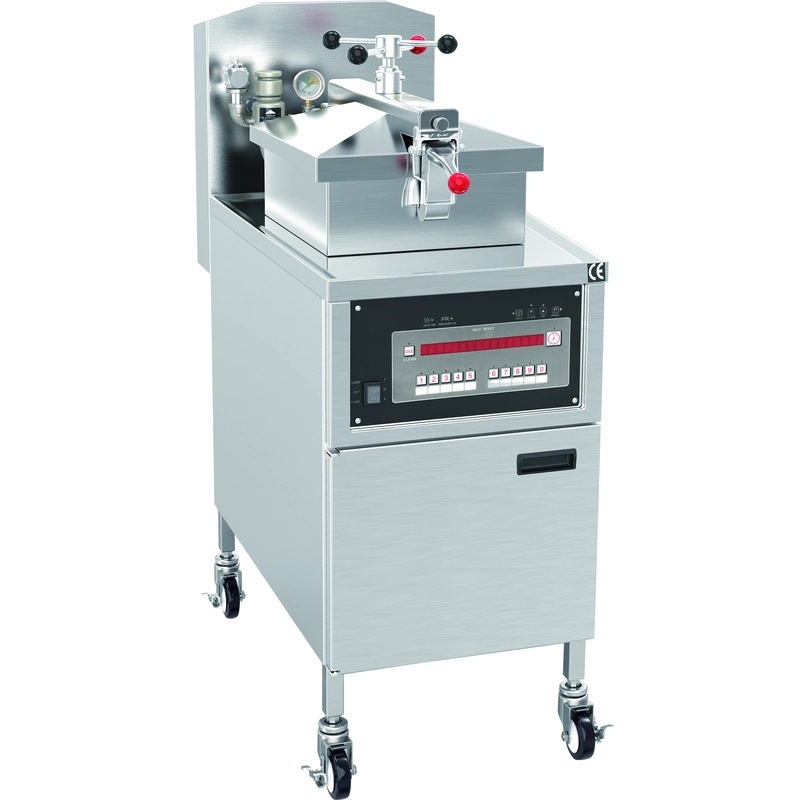
A tabletop electric pressure fryer should move forward only when four conditions align: the pressure-frying process suits the menu, the expected batch rhythm fits the equipment format, the site can support the required electrical connection, and the operating and cleaning documents are sufficient for daily use. If one of these conditions remains unclear, the correct decision is to hold the quotation or change the equipment route rather than compare price.
Within Jinmaide’s Commercial Fryers category, the Tabletop Electric Pressure Fryer is the relevant reference for an electric pressure-frying project. Its product information identifies microcomputer control, temperature and timing control, preset modes and electric heating features. These points should be converted into operating questions, not repeated as a feature list.
Define the Equipment Route Before Comparing Manufacturers
The first decision is whether pressure frying is the required cooking process. Its cycle includes closing and securing the vessel, managing a pressure-cooking phase, releasing pressure and confirming the opening condition. That sequence changes menu development, operator training, cleaning and the documents needed for approval.
An open fryer follows a different workflow, while an auto-lift fryer changes product-handling steps. These formats are not interchangeable versions of one machine; the correct family follows the approved cooking method and labor plan.
Energy and installation format narrow the decision further. An electric pressure fryer needs a confirmed electrical supply, while a gas-powered route creates different utility questions. A tabletop unit also requires a suitable support, unobstructed lid movement and practical access for loading, draining and cleaning. When those conditions do not fit, another format is the correct technical route.
| Project Condition | Decision | Required Action |
|---|---|---|
| Pressure-frying workflow, tabletop format and site electrical data are confirmed | FIT | Move to a product-specific quotation and document review. |
| Voltage, phase or available electrical capacity is unclear | HOLD | Confirm site electrical conditions before model approval. |
| The site requires a gas-powered solution | CHANGE PRODUCT ROUTE | Evaluate a different fryer route instead of forcing an electric offer. |
| Peak batch rhythm does not fit the intended tabletop format | CHANGE FORMAT | Reassess equipment size, format or production setup. |
| The workflow requires automatic lifting or open frying | CHANGE PRODUCT FAMILY | Compare the fryer category that matches the operating process. |
| Pressure operation, cleaning or electrical documents are missing | HOLD | Request the missing evidence before purchase approval. |
The matrix separates a product-fit decision from a supplier-price decision. A project should not be treated as FIT merely because the machine is available or the quotation is attractive. The required process, workplace and documentation must first describe a usable operating system.
Batch Workflow Determines Whether the Fryer Fits
Start with one complete production cycle. Record the food format, preparation and coating method, load arrangement, batch quantity, peak-service rhythm, unloading, holding and the work required before the next batch. This is more useful than a daily output estimate because suitability depends on how demand arrives.
Peak demand determines the batch rhythm, which in turn sets the number of loading and pressure cycles, the time available for oil handling and the need for repeatable settings. A unit may support a test batch yet still create a queue during concentrated service if the proposed format cannot repeat the cycle at the required rhythm.
Menu variation changes the question. A stable chicken process may use a limited operating routine, while different products, coatings or load arrangements require tighter changeover control. Where the cooking method is not yet approved, product trials or process development should precede the final equipment commitment.
Operator workload belongs in the same evaluation. Loading, lid operation, cycle monitoring, pressure release, unloading, oil handling and cleaning compete for staff attention. Record who performs each step, what other equipment that person manages and what instructions are needed to keep the sequence repeatable.
Menu and peak demand define the batch rhythm; the rhythm determines fryer format and control needs; those needs define the operator procedure and training scope. An unclear procedure creates repeatability and handling risk, so the supplier response must address the workflow rather than offer only a nominal capacity statement.
Translate Control Features Into Operator Requirements
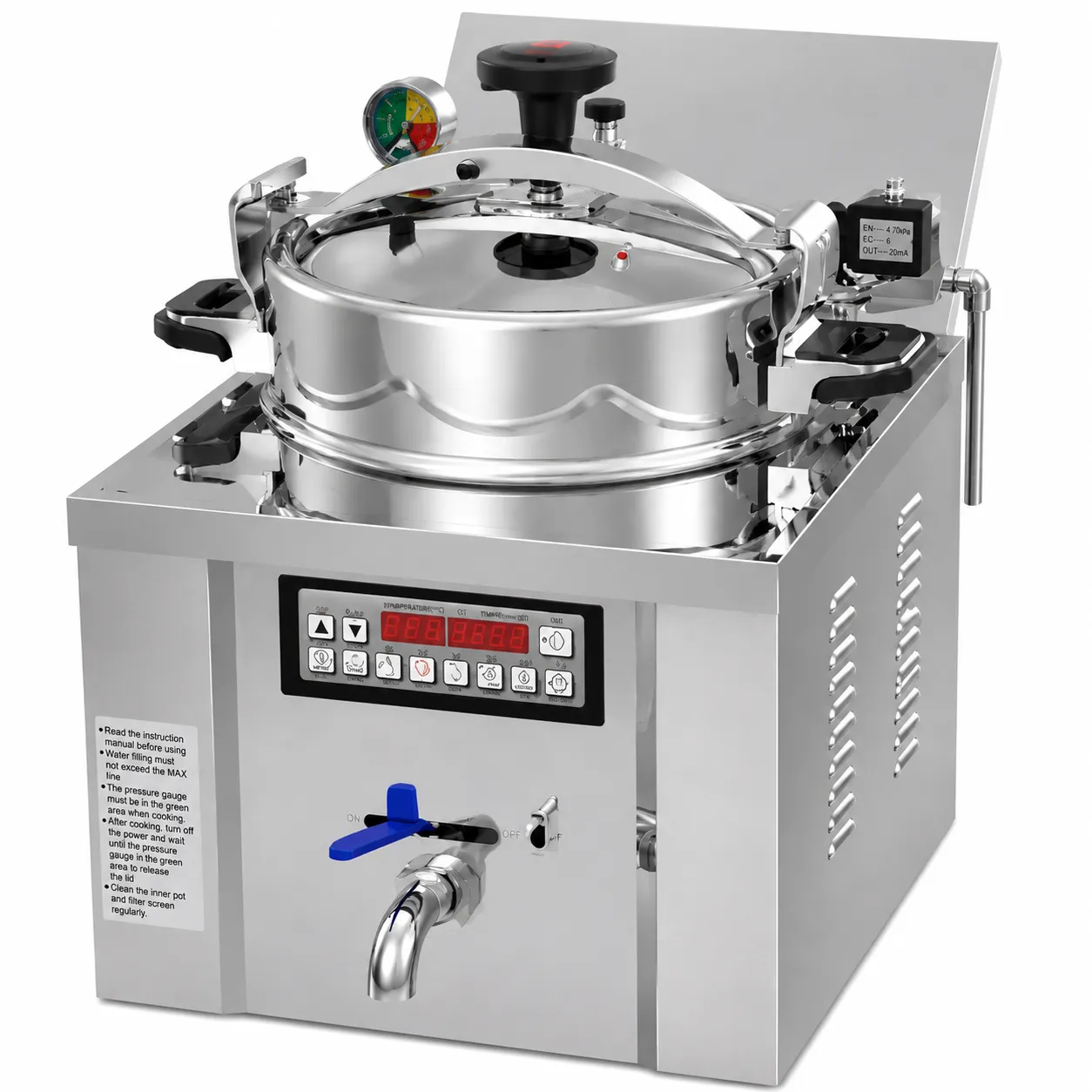
Control descriptions matter only when connected to the operating sequence. Jinmaide’s published information for the Tabletop Electric Pressure Fryer identifies high-pressure cooking, microcomputer control, a multifunction panel, temperature and timing control, preset modes and electric heating. These features still need to be translated into project-specific operating questions.
| Confirmed Product Information | Question the Buyer Should Confirm |
|---|---|
| Microcomputer control | Which operating steps are controlled through the panel? |
| Temperature and timing control | Which settings can the operator define and monitor? |
| Preset modes | What can be stored or selected for repeated production? |
| Electric heating | What electrical information is required before installation? |
| Control interface | What operating and training documents are supplied? |
The answers should come from the current technical response and operating documents. “Preset modes” does not establish the number of programs, which settings can be stored or whether changes can be restricted. No program count, temperature range, heating speed, batch output, fixed cooking time or energy figure should be inferred from the general description.
The interface also affects training. Confirm what the panel displays, how a cycle is started and completed, how warnings are recognized and which settings belong to routine use. Control functions support repeatability only when the procedure, permissions and training materials are aligned.
Check Electrical and Site Conditions Before Approval
Because the target product uses electric heating, the quotation needs to identify the required voltage, phase where relevant, frequency, connection method and available capacity, along with any site information that remains open. A qualified local party should confirm that the distribution and protective arrangement suit the offered configuration.
Electrical capacity affects equipment selection. An unsupported load may require a site upgrade, another model or a different product route. Discovering the mismatch after the counter and layout are fixed can add construction work and delay installation, so electrical data belongs in model approval.
The installation review should cover the support structure, working height, unit position, full lid-opening space, loading access, connection route and nearby hot-oil workflow. A unit can fit the counter width yet remain impractical when a shelf blocks the lid or adjacent equipment forces the operator to reach across a hot surface.
Cleaning needs additional access for draining or transferring oil, removing components and reaching service areas. Review the layout against the operating and cleaning sequence, not the closed-lid footprint. When electrical or layout information is incomplete, keep the project on hold rather than approve price.
Verify Pressure Operation, Cleaning and Documentation
Pressure operation must be evaluated through the instructions for the offered model. The buyer needs to understand how the lid is closed and secured, how the machine indicates the pressure stage, how pressure is released, and what conditions must be met before opening. These are verification questions; they should not be replaced by a broad statement that the equipment is “safe.” The operating manual should show the sequence, warnings and actions required when the normal cycle cannot be completed.
Routine inspection is part of that sequence. The documentation should identify components associated with sealing, closing and pressure release that require cleaning, checking or replacement, and it should distinguish operator tasks from work reserved for qualified service personnel. If replacement seals or other routine parts are needed, the quotation or spare-parts information should clarify whether they are included, optional or locally sourced. This affects readiness at start-up and later downtime planning.
Hot-oil handling connects pressure operation with cleaning. Before oil is filtered, drained or transferred, the kitchen needs a defined procedure, suitable access and compatible containers or filtration equipment. The supplier response should identify the drain or filtration arrangement included with the offered unit and the components required to use it. A drain connection alone does not prove that the planned oil-handling routine is complete.
Cleaning claims also need evidence. Instead of accepting “easy to clean,” review the documented steps: which parts are removable, which surfaces are reached during daily cleaning, how the lid and sealing areas are handled, where residue can collect, and what periodic maintenance is required. The buyer then decides whether the time, access and staff skills needed by that procedure fit the operation.
A compact approval package may include a model-specific data sheet, dimensioned drawing, operating and warning instructions, cleaning procedure, maintenance information, included-accessory list and an agreed inspection scope. Each item answers a different question. The data sheet identifies the offered unit; the drawing tests workplace fit; the operating document defines the pressure cycle; the cleaning information tests daily practicality; and the accessory list closes gaps between the machine and the intended workflow.
Make the Final Fit, Hold or Change-Route Decision
FIT
The project can move to a product-specific quotation when the pressure-frying process matches the menu, the expected batch rhythm is workable, the tabletop format fits the workplace, the electrical conditions are confirmed and the operating and cleaning documents are available for review. FIT does not mean that every commercial term is accepted. It means the selected product route is technically coherent enough for the buyer to review the final configuration, accessories, documentation and inspection scope.
HOLD
Use HOLD when a missing input could materially change the model or operating decision. Common hold points include unknown electrical capacity, unclear peak-batch assumptions, an unavailable operating manual, an unconfirmed cleaning procedure, uncertain lid-opening space or missing project evidence. The correct action is to close the gap before approval. Proceeding on an assumption can lead to an electrical mismatch, insufficient access, a training problem or a quotation that excludes necessary components.
CHANGE ROUTE OR FORMAT
Change the route when the required process falls outside the proposed configuration. A project that requires gas equipment should evaluate a gas-powered option. A kitchen that needs open frying or automatic lifting should compare the relevant fryer family. When the peak rhythm or physical workflow does not fit a tabletop arrangement, reassess the equipment size, format or production setup rather than attempting to solve the mismatch with operating pressure.
Jurisdictional or project approval conditions can also change the route. If the exact offered configuration cannot provide evidence required by the destination or project specification, the buyer may need another configuration or product even when the basic cooking process is suitable. The decision rests on the complete operating and approval environment, not on one feature.
RFQ Inputs for a Tabletop Electric Pressure Fryer
A useful RFQ begins with the food product, preparation method, expected batch quantity, peak-service rhythm, intended fryer type and current project stage. These inputs allow the supplier to understand whether the inquiry concerns a stable production process or a concept that still needs trials. The distinction affects what can be quoted and what should remain subject to product testing.
Add the site voltage and other available electrical data, installation space, counter or support condition, lid-opening limits, operator workflow and cleaning expectations. These fields determine whether the proposed tabletop electric configuration can be installed and used as intended. Destination or project requirements, packing needs and inspection expectations should also be stated because they affect the document and delivery scope.
A complete supplier response identifies the offered configuration, electrical requirements, control description, workflow assumptions, operating documents, cleaning and maintenance information, included accessories, packing scope, deviations and missing buyer information. It should also separate confirmed items from options or dependencies. Commercial comparison begins after the product route and site fit have been confirmed.
Submit the chicken product, batch rhythm, electrical information, available space, cleaning expectations and document requirements through the Contact Us form. The supplier can then confirm whether the Tabletop Electric Pressure Fryer fits the project, whether more information is required or whether another product route should be considered.
Frequently Asked Questions
Is a pressure fryer the same as an open fryer?
No. A pressure fryer uses a controlled closed-vessel operating sequence that includes pressure management and release before opening. An open fryer follows a different cooking and handling process. The correct choice depends on the menu, approved production method, operator procedure and site conditions; the two formats should not be compared only by nominal capacity or price.
When is a tabletop electric pressure fryer not the right fit?
It is not the right fit when pressure frying is not the required process, the peak batch rhythm exceeds the planned tabletop workflow, the site cannot provide the necessary electrical conditions, the work area lacks safe operating or cleaning access, or required documentation and approval evidence are unavailable. In those cases, hold the project or evaluate another fryer route or installation format.