BLOG
What Factors Affect Commercial Gas Fryer Price Quotations for B2B Procurement?
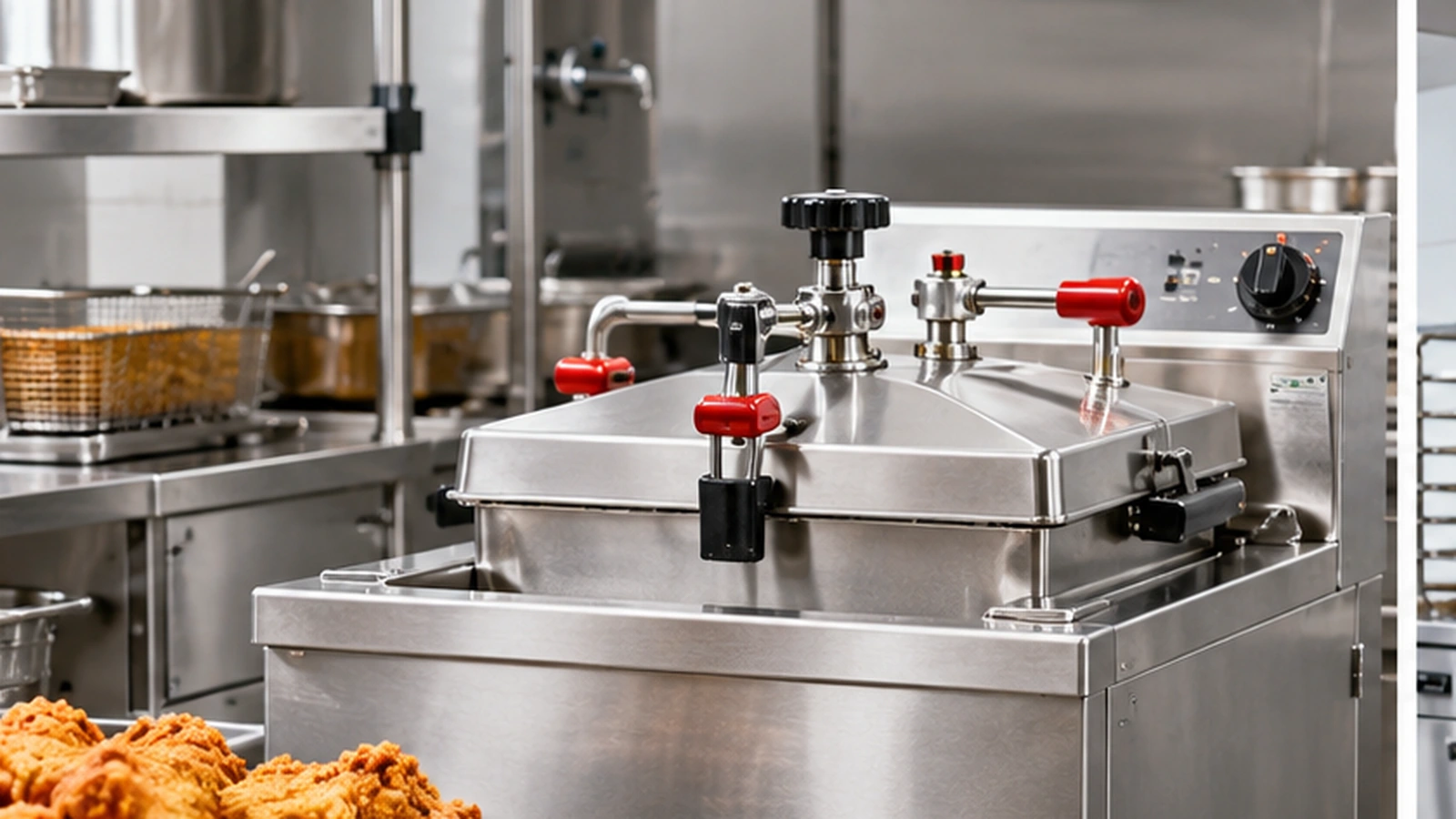
A commercial gas fryer price quotation cannot be compared reliably from a product name or capacity claim alone. B2B buyers should first confirm the food application, fryer type, pressure or open-frying requirement, batch size, expected output, gas and site utilities, oil capacity and management needs, control functions, safety and documentation expectations, quantity, packing and delivery scope. A gas pressure fryer for fried chicken is not the same quotation as a gas open fryer, lift fryer or general snack fryer. The practical buying task is to normalize the complete fryer configuration before deciding whether a price is competitive.
Start With the Fried Product and Service Model
The first quotation variable is the menu. Commercial gas fryers are often discussed as if they are interchangeable, but a fried chicken shop, hotel kitchen, catering chain, convenience-store food counter and snack operation may require different frying formats. Food type changes batch size, basket or pot use, pressure requirement, oil turnover, cooking cycle, cleaning workload and the equipment layout around the fryer.
A buyer preparing an RFQ should describe the main product being fried. Chicken pieces, wings, whole cuts, fries, chips, coated snacks and mixed menus do not impose the same process requirement. Pressure frying is commonly evaluated for bone-in or coated chicken applications where the buyer wants moisture retention, defined cooking cycles and consistent batches. A snack shop may be more concerned with rapid open frying, oil recovery and simple operation.
The business model also matters. A single restaurant may need one defined unit for a fixed menu. A distributor may need a model range for several customer types. A chain project may need repeatable settings, staff-friendly operation and documentation for multiple stores. These conditions change the quotation scope even when the headline keyword is the same.
Jinmaide organizes fryer-related products under its Commercial Fryers category. That category is the right starting point for product discovery, but the final price comparison must still begin with the buyer’s actual food and operating model.
Pressure Fryer, Open Fryer and Lift Fryer Are Different Buying Decisions
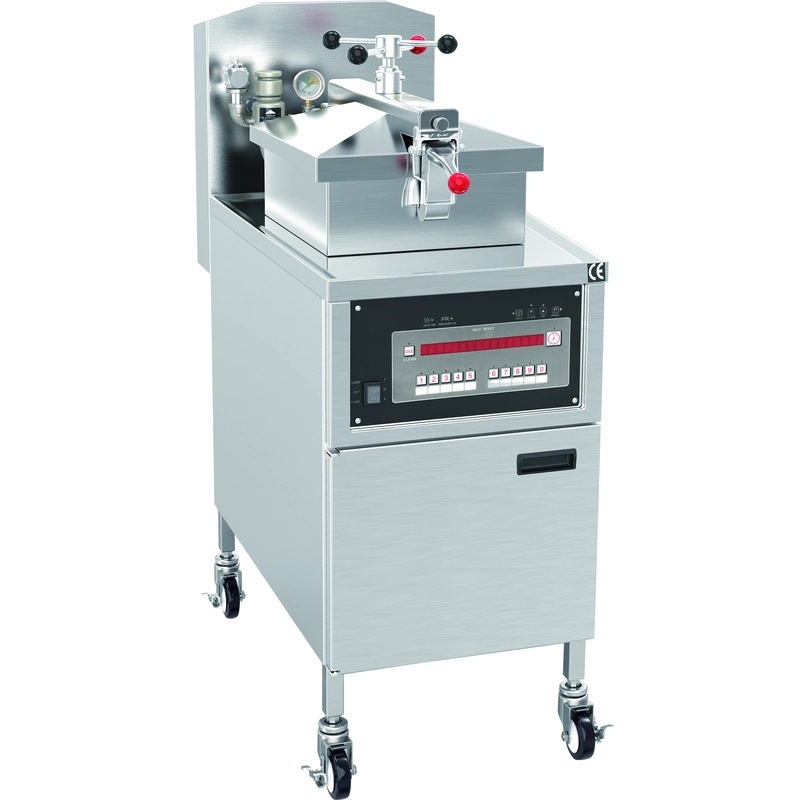
The target product for this topic is Gas pressure fryers. The current product record describes this series as combining high-pressure cooking with intelligent microcomputer control technology, with a multi-function operation panel, precise temperature control and timing, multiple preset modes, high-power heating tubes and energy-saving wording in the public product text. These page-level facts help define the product direction, but they do not replace the buyer’s RFQ.
Pressure frying affects the equipment decision because the fryer pot, lid, locking method, pressure control, cooking workflow, cleaning procedure and user training can differ from an open fryer. Open fryers may be easier to match to some snack or flexible menu operations, while lift fryers may be evaluated where automatic basket lifting and repeated cycle handling are important. A buyer comparing prices must first decide which fryer architecture is being quoted.
Two suppliers may both answer “commercial gas fryer” while quoting different equipment types. One may quote a gas pressure fryer for chicken. Another may quote a gas-powered lift fryer. A third may quote an open tank fryer. The price is not comparable until fryer type, batch method and cooking workflow are aligned.
The RFQ should therefore state whether the project requires pressure frying, open frying, automatic lifting or another fryer format. If the buyer is uncertain, ask suppliers to explain which menu and output condition favor each option, and to mark alternatives clearly instead of treating them as the same quotation.
Capacity Should Be Defined by Batch, Hourly Output and Peak Demand
Capacity is one of the most common price drivers, but it is often described too loosely. A buyer may ask for a “large fryer” or a “high-output fryer,” while each supplier interprets output differently. For commercial kitchens, capacity should be tied to real operating demand.
The RFQ should define:
- typical batch weight or number of pieces per batch;
- target batches per hour;
- peak service period demand;
- menu items that share the fryer;
- required recovery time between batches;
- whether one fryer or multiple units will serve the line;
- whether the buyer is purchasing for one store, several stores or distributor stock.
Batch size interacts with fryer type. A pressure fryer may be selected for a specific chicken batch workflow. A high-volume open fryer may suit continuous snack production. A smaller unit may fit a shop with limited menu demand but become a bottleneck during peak service.
Do not compare equipment only by external size. The buyer needs to know how the selected fryer supports the required cooking cycle and service volume. If output demand is missing, suppliers may quote units that look similar but support different levels of throughput.
Gas Type, Utilities and Site Conditions Can Change the Quote
Gas fryers must match the buyer’s site utilities. The RFQ should identify the destination market, available gas type, gas pressure requirement if known, power supply for controls or accessories, ventilation arrangement, exhaust hood condition, installation space and local installer requirements. These details can affect whether the quoted fryer can be installed and used without additional modification.
A product page may describe a fryer as gas-powered, but the buyer still needs supplier confirmation for the gas configuration required at the destination. If a distributor sells into several markets, the RFQ should not assume one gas setup covers all customers. Gas connection, control power and local installation rules should be treated as part of the technical package.
Site conditions also influence fryer selection. A compact kitchen may prioritize footprint and clearance. A high-volume store may need multiple fryers, oil-handling space and enough staff access around the cooking line. A hotel kitchen may need integration with existing hoods, floor drains and cleaning workflow.
These site variables do not always change the fryer body itself, but they change the quotation conversation. A supplier may need to confirm gas version, accessories, installation guidance, packing and documentation before the buyer can compare offers.
Control Functions Should Match Staff Workflow, Not Marketing Language
Control features should be evaluated by how they help the kitchen run repeated frying cycles. The Gas pressure fryers product record mentions intelligent microcomputer control technology, a multi-function operation panel, precise temperature control and timing, and multiple preset modes. These are relevant page-level features, but the buyer still needs to decide which functions are required for the intended operation.
For a fried chicken chain, preset modes may help standardize common products across shifts and stores. For a small restaurant, a simpler control workflow may be more important than many preset programs. For a distributor, the key question may be whether the control panel is understandable for different end users and whether documentation is available for the target market.
The RFQ should separate required functions from optional functions. Ask the supplier to confirm:
- temperature control method and display style;
- timer and preset-program functions;
- whether recipe programs can be adjusted or locked;
- alarm or reminder functions if relevant;
- operator-language or label requirements if needed;
- what control functions are standard and what is optional.
This prevents feature differences from being hidden in the price. A quotation with advanced controls, preset programs and a defined documentation package should not be compared directly with a quote for a more basic fryer without noting the difference.
Food Quality Targets Should Be Translated Into Equipment Requirements
Food quality claims can sound attractive but must be converted into measurable requirements. The target product record says the gas pressure fryer series is designed to lock in moisture in chicken and produce a crispy outside and tender inside. That language describes the intended food outcome. The buyer still needs to confirm what operating conditions, recipes, oil temperature, batch size, product size and training are required to achieve a consistent result.
A fryer cannot solve every food-quality problem by itself. Breading method, marination, product thickness, loading pattern, oil condition and staff operation can all affect final food texture. If the buyer needs a particular fried chicken result, the RFQ should include product size, coating style, target cooking cycle, acceptable batch variation and sample-test expectations.
For chain buyers or distributors, a trial may be useful before bulk ordering. The trial should evaluate more than taste. It should check cooking workflow, staff operation, cycle timing, recovery behavior, cleaning access, documentation and whether the selected fryer fits the planned kitchen layout.
Documentation and Compliance Evidence Should Be Treated as Quotation Scope
Commercial kitchen equipment buyers often need documents before importing, installing or selling equipment. Depending on the destination market and buyer role, the required package may include product specification, user manual, wiring or gas information, packing list, inspection record, spare-parts information, maintenance guidance and any certificate or compliance evidence that the buyer’s market requires.
The important rule is not to assume documents. The buyer should state exactly which documents are needed and ask the supplier to confirm whether they apply to the quoted model. A general company certificate, a document for another model or an outdated manual may not support the actual purchase.
| Quote Factor | Buyer Input Needed | Supplier Response to Compare |
|---|---|---|
| Fryer type | Pressure fryer, open fryer, lift fryer or alternative format | Confirmed model architecture and reason for fit |
| Menu and output | Main fried food, batch size, peak demand and store type | Recommended fryer size or quantity based on stated workload |
| Utilities | Gas type, power supply, hood and installation conditions | Gas/power configuration, site assumptions and buyer-supplied items |
| Controls | Preset, timing, temperature and operator workflow needs | Standard functions, optional functions and control-panel scope |
| Documentation | Manual, specification, certificate or local approval needs | Model-specific document package and limitations |
| Commercial scope | Quantity, packing, accessories and delivery basis | Included scope, exclusions, optional items and deviations |
This table should be used to normalize quotations before price comparison. It does not prove one fryer is better than another; it shows whether the buyer is comparing the same equipment and evidence package.
Quantity, Packing and Distributor Needs Affect the Commercial Package
Wholesale buyers should separate technical fit from order scale. A sample unit for evaluation, a first shop installation, a chain-store rollout and a distributor stock order are different commercial situations. The fryer configuration may be similar, but packing, documentation, spare-parts planning and after-sales expectations can change.
The RFQ should state whether the order is for sample evaluation, pilot store, distributor stock or repeat supply. For distributor projects, model labeling, manuals, spare-parts lists, carton or crate marking and mixed-container planning may be important. For a restaurant chain, consistency across future orders may matter more than one-time sample price.
Packaging should also be part of the quotation. Fryer bodies, control panels, handles, lids, baskets, accessories and surfaces must be protected during transport. If the buyer requires export packing, wood packaging information, labeling or consolidated shipment with ovens and warming equipment, those requirements should be included in the RFQ.
A lower equipment price may not remain lower once missing packing, documents and accessories are added. B2B comparison should therefore align equipment scope first, then commercial terms.
When Is a Gas Pressure Fryer Not the Right Product?
A gas pressure fryer is not the correct answer for every buyer using the keyword “commercial gas fryer.” The decision changes when the menu requires open frying, when the site cannot support gas installation, when the buyer prefers electric equipment, when automatic basket lifting is the main requirement, or when the operation only needs a small snack fryer.
The decision also changes if the buyer’s local market requires approvals or installation conditions that the quoted model cannot support. In that case, the quotation should not be forced forward. The supplier should recommend another model or clearly state the limitation.
This boundary protects the procurement decision. The article’s purpose is not to promote one fryer type as universal. It is to help buyers compare commercial gas fryer price quotations only after the application, utilities, capacity, controls and documentation are defined.
Build the Final RFQ Around a Comparable Fryer Configuration
A complete RFQ for commercial gas fryer quotation should include:
- main fried products and menu scope;
- pressure frying, open frying or lift-frying requirement;
- batch size and target output per hour;
- peak service demand and store type;
- destination market and available gas type;
- power supply and installation conditions;
- required control functions, presets and timing needs;
- oil management, cleaning and maintenance expectations;
- documentation and certificate requirements if applicable;
- sample or kitchen trial requirement;
- quantity by model and project stage;
- packing, labeling and delivery basis;
- accessories, spare parts and optional items;
- supplier assumptions, exclusions and deviations.
Ask each supplier to return the offer as Confirmed Fryer Type / Included Scope / Utility Assumptions / Documentation Scope / Optional Items / Deviation / Buyer Input Required. Once those fields are aligned, the buyer can submit the project through Jinmaide’s contact and inquiry page with a price request that suppliers can compare on the same technical and commercial basis.