BLOG
What Does a Bread Proofing Box Do? Functions and Limits
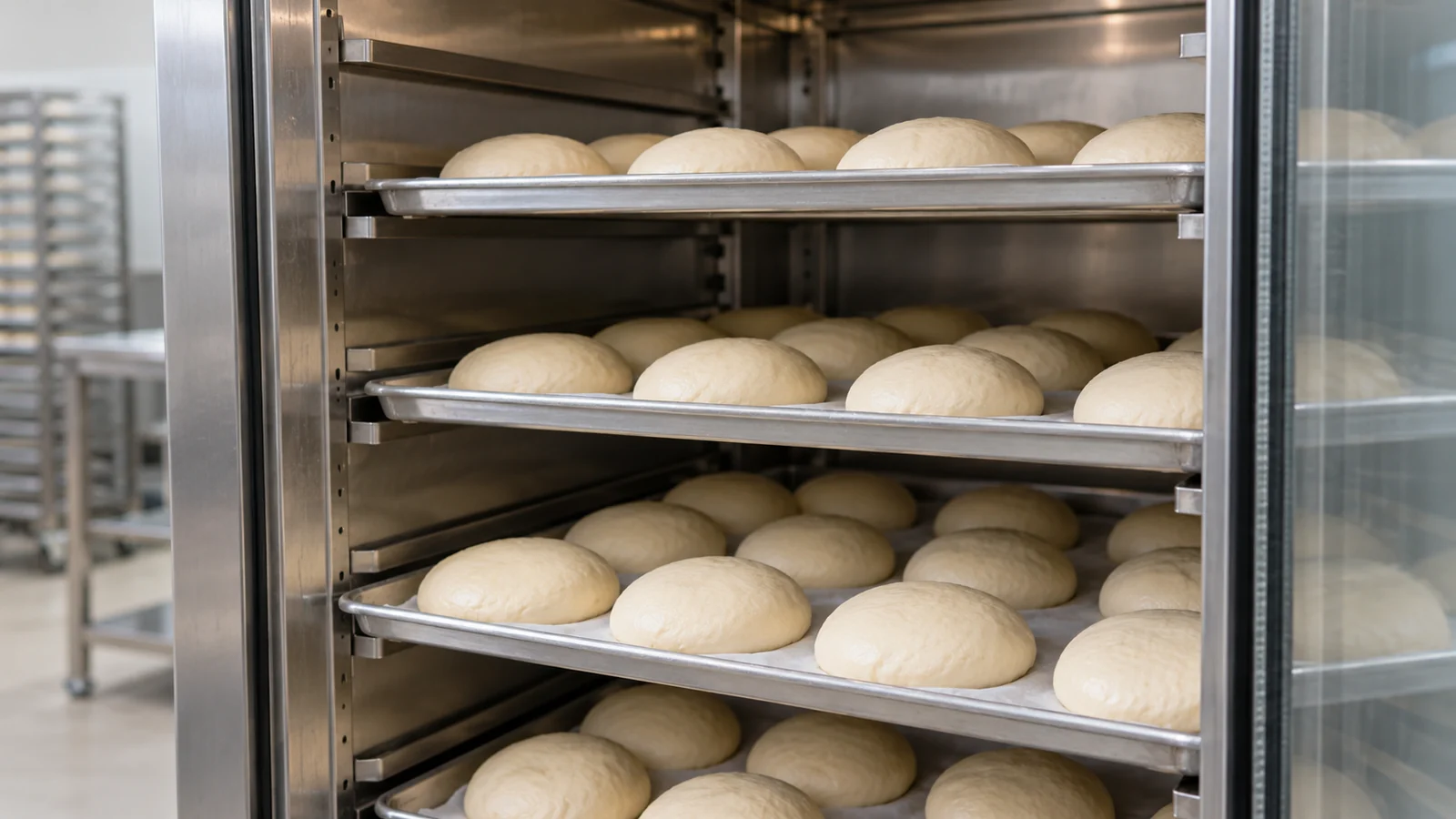
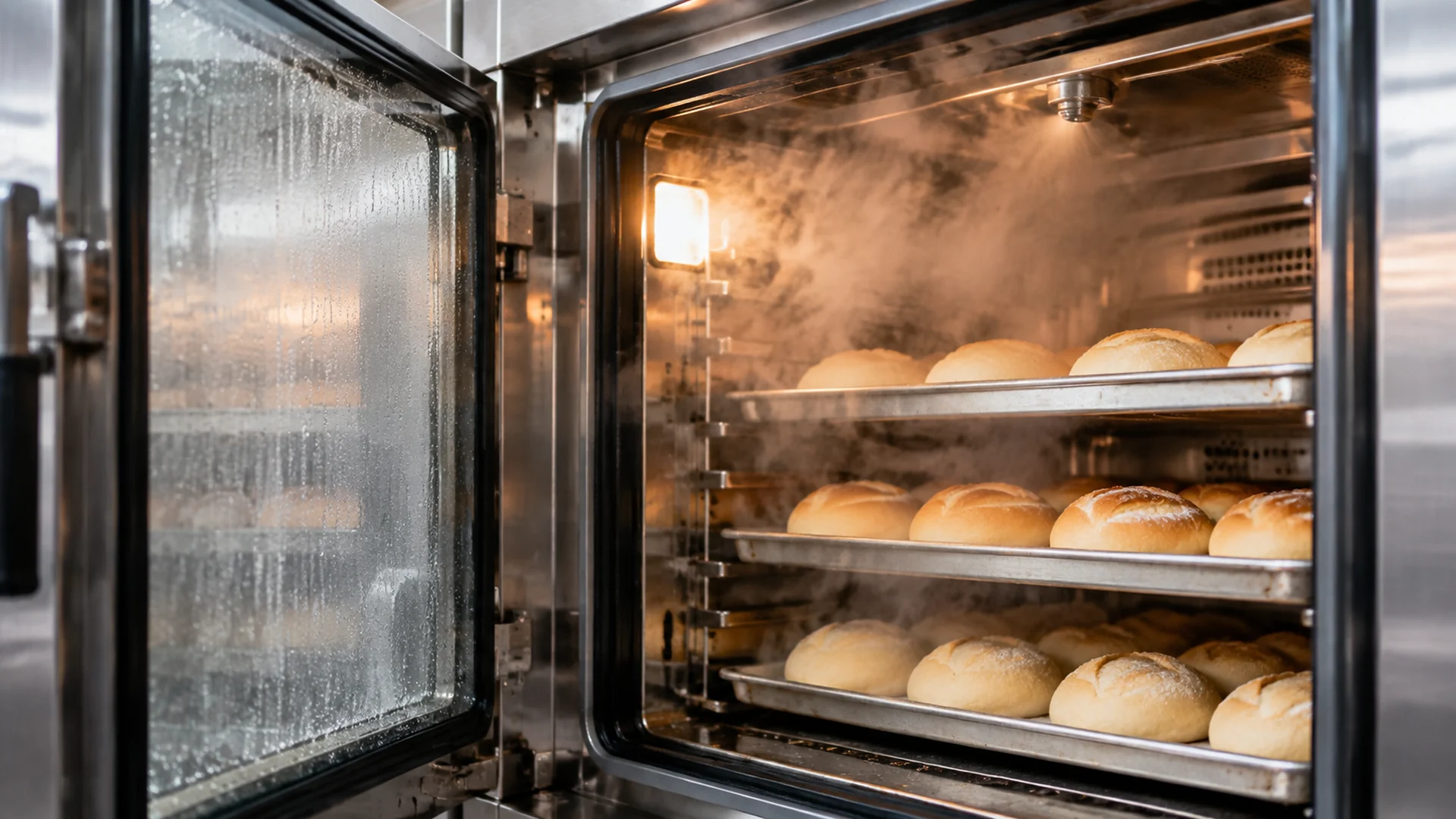
A bread proofing box provides a managed environment for dough to rise before baking. A heated cabinet maintains warmth, while models with a suitable humidification system also help protect the dough surface from drying. The equipment supports fermentation; it does not create the gas itself, shape the loaves or bake them. Yeast activity, dough structure and the recipe still determine how the dough develops. For a commercial bakery, the practical benefit is greater control over this stage of production, provided the cabinet’s functions, tray arrangement and operating conditions match the product being made.
How Does a Proofing Box Help Dough Rise?
Temperature Influences Fermentation, Not Just Speed
In yeast-leavened bread, yeast consumes available sugars and releases carbon dioxide. In wheat dough, the gluten network helps retain that gas, allowing the dough to expand. A proofer manages the surroundings in which this happens. It does not inject air into the dough, and heat alone cannot replace active yeast or a dough structure capable of holding gas.
Within a suitable operating range, warmer conditions generally accelerate fermentation. Faster is not always better, however. Increasing temperature changes the time available for flavor development and the point at which the dough is ready for the oven. Turning the heat up to compensate for every slow batch can leave one problem unresolved while creating another: dough that reaches its proofing endpoint before the bakery can bake it.
Cabinet air temperature and dough temperature are different measurements. A batch entering from a cool preparation area does not immediately reach the surrounding air temperature. Two batches placed at the same setting can therefore progress differently if their starting temperatures differ. Recording dough temperature after mixing and at loading helps distinguish an equipment-setting issue from a difference introduced earlier in production.
The appropriate bread proofing box temperature comes from the recipe and production process, not from the highest number on the controller. A manufacturer’s temperature range describes equipment capability; it is not a recommendation to proof every bread at the upper limit.
Does a Proofing Box Control Humidity?
Some proofing boxes provide humidity control; others offer a simpler means of adding moisture. These are not identical capabilities. A water tray or moisture-generating system can increase humidity without measuring it. A humidity display measures a condition, while feedback control uses a measurement to adjust the system toward a chosen setting. The equipment specification needs to identify which arrangement is actually provided.
Humidity management primarily addresses conditions around the dough, particularly surface drying. Exposed dough can develop a dry skin during proofing. Maintaining an appropriate environment helps the surface remain suitable for expansion, but adding moisture to the cabinet does not correct an incorrect water-to-flour ratio inside the dough.
More visible moisture is not proof of better control. Condensation and a wet surface are different from the desired proofing condition. Assess the dough surface together with the specified temperature and humidity process, rather than treating droplets on the door as a performance indicator.
A heated proofer cabinet should not be assumed to have an independent humidity sensor or automatic humidity regulation. Those functions must be specified separately when a recipe requires them.
Where Does Proofing Fit in the Bread-Making Process?
Bulk Fermentation and Final Proofing Are Different Stages
A common bread-making sequence is:
Mixing → Bulk fermentation → Dividing and shaping → Final proofing → Baking
Bulk fermentation takes place before the dough is divided and given its final shape. Final proofing follows shaping and gives the pieces time to expand before baking. Recipes can use different fermentation schedules, so this sequence is a useful reference rather than a mandatory arrangement for every product.
A tray-style proofing box for bread making is often used for the final stage, with shaped pieces already arranged on trays or in pans. Its capacity must match that loading format. A cabinet selected around shallow trays of rolls may not accommodate deep pans or tall products in the same way, even when the trays have matching outside dimensions.
Does a Proofing Box Shape the Bread?
No. Dividing, rounding, molding and placing dough in a pan are separate operations. The proofing box allows prepared dough to develop further; it does not turn an unshaped batch into uniform rolls. Shaping and the supporting pan establish the intended form, while fermentation changes its volume and condition.
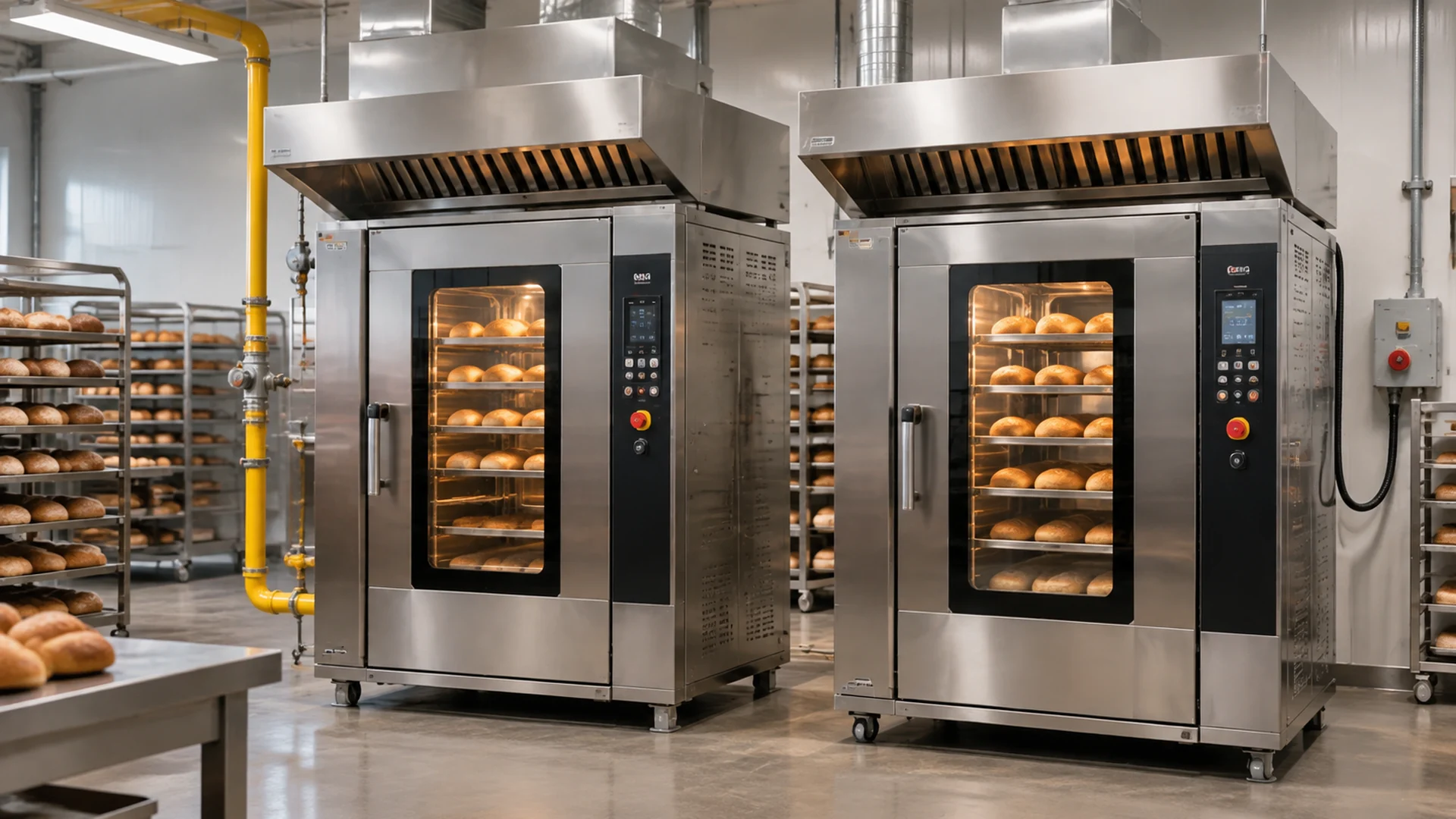
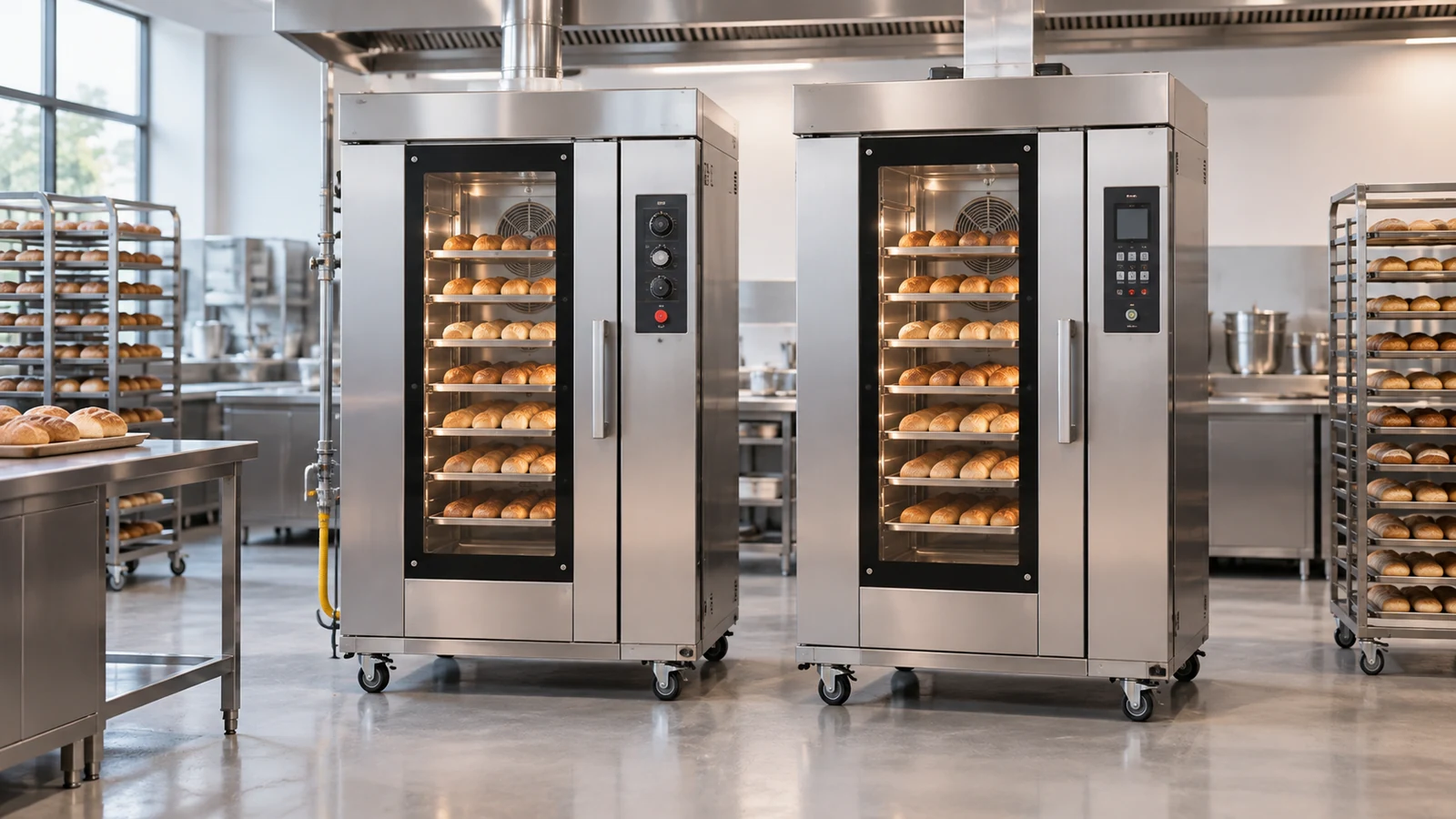
When comparing Jinmaide’s commercial baking and proofing equipment, keep the roles of the proofer and oven distinct. The first prepares dough for baking under suitable conditions. The second performs the baking stage. Similar tray formats do not make their functions interchangeable.
What Changes Compared with Proofing at Room Temperature?
Dough can rise at room temperature when the environment and recipe are compatible. A commercial dough proofing box is not a prerequisite for fermentation. Its value is the ability to manage conditions that might otherwise change between a cool morning, a warm afternoon or different production areas.
For a useful comparison, consider the same roll recipe produced on two shifts. A cabinet can reduce dependence on room conditions, but it cannot make the batches equivalent if one starts colder, contains a different yeast quantity or is loaded much later after shaping. The meaningful question is whether the bakery can reproduce the required dough condition, not simply whether it can repeat a displayed setting.
| Record | Why it matters | What to compare |
|---|---|---|
| Dough condition at loading | Earlier mixing and fermentation affect what enters the cabinet. | Recipe, piece size, dough temperature and elapsed time after shaping. |
| Cabinet conditions | A setting is not a complete record of the environment experienced by the dough. | Available temperature and humidity readings, together with the operating procedure. |
| Tray position and loading | A lightly loaded trial does not represent every production arrangement. | Equivalent dough pieces on different levels under the intended loading pattern. |
| Dough condition at oven entry | Proofing continues while a batch waits to be baked. | The recipe’s readiness criteria and the delay between unloading and baking. |
Use the observations to change one relevant variable at a time. For example, differing dough temperatures call for a review of mixing and loading conditions before a controller adjustment. A repeated difference between tray levels calls for investigation of the loading arrangement and equipment operation. Neither observation, by itself, establishes a fault or proves a particular performance claim.
What Does a Bread Proofing Box Not Do?
Proofing Is Not Baking or Hot Holding
A proofing cabinet manages a fermentation environment; an oven applies the baking process that turns prepared dough into bread. Owning a heated cabinet does not remove the need for an appropriate oven. Nor does heating alone establish that a proofer is suitable for holding cooked food. A holding application requires its own equipment suitability and operating requirements, rather than an assumption based on the presence of a heater.
Heating Does Not Automatically Mean Refrigeration
An ordinary heated proofer is not a refrigerator. A refrigerated retarder or retarder-proofer is a different equipment arrangement, used when the process requires cooling and, in suitably equipped systems, a transition to proofing. Refrigeration, programmed transitions and scheduling functions are separate specifications, not features implied by the word “proofer.”
A bakery planning overnight dough management therefore needs to define the cooling and subsequent proofing stages explicitly. A general heated-cabinet listing is not evidence that the equipment can execute that sequence.
A Timer Does Not Decide Whether Dough Is Ready
A timer tracks elapsed time. It does not directly evaluate fermentation, dough strength or the readiness of each tray. The working time established for one recipe is useful only alongside its preparation conditions and agreed endpoint.
Assess readiness using criteria suitable for the product, such as the required expansion, appearance and response of the dough. A universal instruction to wait a fixed number of minutes, or to double every product in size, is not an adequate commercial process specification. Once the desired state has been reached, additional waiting is still part of fermentation, not neutral storage.
Likewise, a cabinet cannot undo an incorrect recipe, poor shaping or an already overproofed batch. Its role is to support a defined process, not to correct every upstream error.
How Do Tray Loading and Oven Timing Affect Its Use?
Tray Positions Are Not the Same as Production Output
Jinmaide’s commercial bread proofer listing identifies the JMD-SXF16 with 16 tray positions and the JMD-SXF32 with 32. These are tray-capacity descriptions. They do not establish a fixed number of loaves or kilograms of dough per hour.
Usable loading depends on the tray dimensions, pan height, spacing between dough pieces and clearance for the risen product. Count the arrangement that can actually be processed, not just the number of rails visible inside the cabinet. Where the operating instructions require space for air circulation, filling that space with extra pans changes the loading condition being evaluated.
A proposed layout should show the tray footprint, product height at the end of proofing and the occupied positions. A representative loaded trial can then establish whether the planned arrangement works with the bakery’s dough, rather than relying on an empty-cabinet demonstration.
Proofed Dough Needs an Available Baking Window
The proofer and oven should be considered together. If a full cabinet finishes proofing while the oven can accept only part of the load, the remaining trays continue fermenting. The result can be different dough conditions at oven entry even though the trays began proofing together.
This is a scheduling issue as well as a capacity issue. The useful comparison is between the quantity reaching readiness and the quantity that can be baked within the product’s acceptable window. Staggering preparation or loading may be part of the production plan; buying a larger cabinet alone does not increase oven capacity.
Tray compatibility also affects the transfer. Matching the proofer’s and oven’s tray requirements can reduce the need to move shaped dough between carriers. The purchase specification should establish dimensions and support arrangements rather than assume that a nominal tray description guarantees a fit.
Which Proofing Functions Should a Bakery Specify Before Ordering?
Start with the product and its place in production: the bread type, current dough process, loading temperature and expected condition at oven entry. State whether the project needs immediate heated proofing or a separately defined refrigerated stage. These requirements identify the equipment task before a model is selected.
Next, describe the actual load. Provide tray dimensions, pan or product height, pieces per tray and the intended batch arrangement. Connect the batch to the oven schedule. This gives the supplier a meaningful basis for discussing cabinet size without turning a tray count into an unsupported output promise.
Define the required controls just as clearly. A temperature range is different from accuracy under load. A means of generating moisture is different from independently regulated relative humidity. A useful model-specific document should identify the controls provided, the water arrangement, the loading limits and the operating procedure. Where a required function is not stated, it should remain an open specification item rather than an assumed capability.
Finally, include the available electrical supply, installation space, door clearance and any relevant water or drainage conditions. A layout drawing addresses access and fit; a representative production trial addresses dough performance under the agreed conditions. Neither an attractive product photograph nor an empty-cabinet temperature display replaces those checks.
Bring the product details, tray layout and production sequence to Jinmaide through the proofing equipment enquiry. Ask the offered configuration to identify the functions included, any requirements that remain unverified and the basis for evaluating a loaded batch. The aim is a cabinet that fits the bakery’s process, not simply the largest tray count or the highest temperature setting.