BLOG
Commercial Bakery Oven Maintenance Tips for Reliable Daily Production
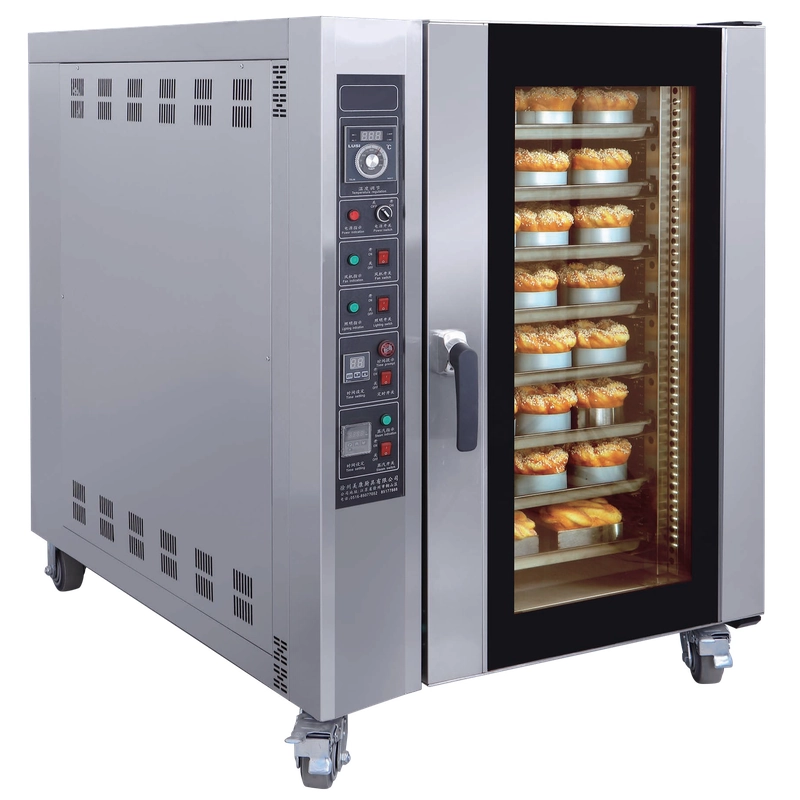
Commercial bakery ovens often operate for many hours every day. Flour, grease, sugar, moisture and food particles can gradually accumulate inside the equipment.
Without regular inspection and cleaning, an oven may experience uneven baking, slower heating, higher energy use or component failure.
A preventive maintenance plan can help keep bakery equipment reliable and reduce unexpected production interruptions.
Clean the Baking Chamber Regularly
Remove crumbs, flour and food residue after the oven has cooled.
Residue left inside the chamber may:
- Produce smoke
- Create unpleasant odors
- Affect product flavor
- Block airflow
- Increase fire risk
- Reduce cleaning efficiency later
Use cleaning methods recommended by the manufacturer. Avoid aggressive chemicals that may damage stainless steel, seals, sensors or heating components.
Inspect Door Seals
Door seals help maintain chamber temperature. A damaged, loose or dirty seal may allow heat to escape.
Warning signs include:
- Longer baking time
- Excessive heat around the door
- Uneven product color
- Frequent heating cycles
- Visible cracks in the seal
Clean the seal carefully and replace it when necessary.
Keep Air Circulation Openings Clear
Convection ovens and hot air circulation ovens depend on efficient airflow.
Check:
- Fan covers
- Air ducts
- Vent openings
- Interior circulation channels
- Tray placement
Flour and grease buildup may reduce airflow and lead to uneven baking between trays.
Check the Fan System
Unusual noise or vibration may indicate a fan problem.
Possible causes include:
- Loose fan blades
- Foreign material
- Worn bearings
- Motor problems
- Misalignment
Stop the machine and arrange inspection if abnormal sound continues.
Maintain Heating Components
Electric ovens use heating elements, while gas ovens use burners and related gas components.
Electric Oven Inspection
Check for:
- Uneven heating
- Damaged heating elements
- Loose electrical connections
- Burn marks
- Abnormal control readings
Electrical inspection should be completed by a qualified technician.
Gas Oven Inspection
Check for:
- Stable ignition
- Correct flame condition
- Gas leakage
- Burner cleanliness
- Gas pressure
- Exhaust condition
Gas system servicing must follow local safety regulations.
Verify Temperature Accuracy
The displayed temperature and actual chamber temperature may gradually differ due to sensor condition or calibration.
Temperature accuracy should be checked periodically using suitable testing equipment.
If products begin to bake differently even though recipes have not changed, possible causes include:
- Sensor drift
- Heating element failure
- Burner problems
- Door seal leakage
- Controller error
- Air circulation problems
Clean the Control Panel Correctly
Do not spray water directly onto the digital controller, switches or electrical components.
Use a soft cloth and suitable cleaner. Avoid excessive moisture around buttons and control panel edges.
For touchscreen models, follow the supplier’s cleaning instructions.
Maintain the Proofing Box
Proofing cabinets require special attention because they operate in warm and humid conditions.
Regular tasks include:
- Cleaning water tanks
- Removing scale
- Cleaning drain lines
- Wiping interior surfaces
- Checking humidity generation
- Inspecting refrigeration parts
- Checking door seals
- Drying the chamber after cleaning
Poor sanitation inside a proofer may affect product quality and create unpleasant odors.
Create a Maintenance Schedule
Daily Tasks
- Remove crumbs and residue
- Wipe external surfaces
- Inspect door seals
- Check abnormal sounds
- Clean tray supports
Weekly Tasks
- Clean fan covers
- Inspect ventilation openings
- Check control panel operation
- Clean proofing water systems
- Inspect wheels and handles
Monthly Tasks
- Check wiring condition
- Inspect burners or heating elements
- Test temperature accuracy
- Tighten loose hardware
- Check gas pipes and connectors
Annual Tasks
- Complete professional electrical inspection
- Service gas components
- Calibrate temperature controls
- Replace worn seals
- Inspect motors and bearings
The exact schedule should be adjusted according to operating hours and production conditions.
Keep Spare Parts Available
For commercial production, small component failures can stop the entire workflow.
Useful spare parts may include:
- Door seals
- Temperature sensors
- Contactors
- Relays
- Switches
- Heating elements
- Ignition components
- Controller panels
- Fan motors
Ask the supplier which parts are recommended for your model.
Work with a Reliable Equipment Supplier
Before purchasing bakery equipment, confirm that the supplier can provide:
- Operation manuals
- Electrical diagrams
- Spare parts lists
- Installation instructions
- Troubleshooting support
- Video guidance
- Warranty terms
- Replacement components
Reliable after-sales support is an important part of the total value of a commercial oven.
Conclusion
Regular cleaning and preventive maintenance help commercial bakery ovens maintain stable heating, efficient airflow and consistent production.
Whether the bakery uses a gas deck oven, electric deck oven, convection oven, rotary oven or proofing cabinet, a clear maintenance routine can reduce downtime and protect long-term equipment performance.