BLOG
Commercial Bakery Proofing Box: Temperature, Humidity and Capacity Guide
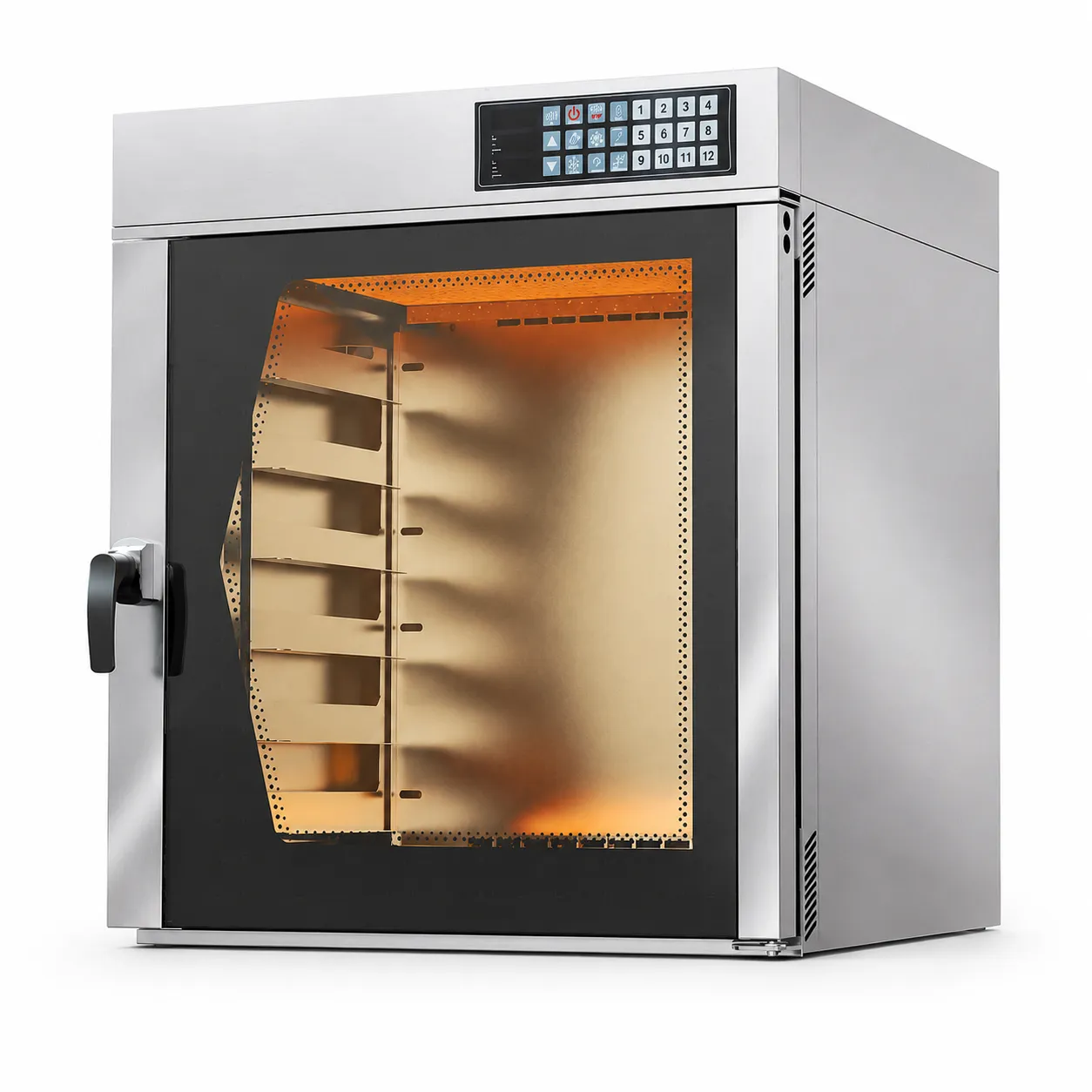
Proofing is a critical stage in bread production. Before dough enters the oven, yeast fermentation allows the dough to expand, develop structure and create the texture expected in the final baked product.
A commercial bakery proofing box provides a controlled environment for dough fermentation. Compared with leaving dough in an open room, a proofing cabinet can help reduce the influence of changing room temperature and environmental conditions.
What Is a Bakery Proofing Box?
A bakery proofing box, also called a dough proofer or fermentation cabinet, is designed to hold trays of dough under controlled conditions.
The equipment may regulate:
- Temperature
- Humidity
- Proofing time
- Cooling or refrigeration
- Heating
- Air circulation
Different models are used for small bakeries, large production workshops, supermarkets, hotels and central kitchens.
Why Is Controlled Proofing Important?
Dough fermentation is sensitive to environmental changes. If the temperature is too low, proofing may take too long. If it is too high, fermentation may proceed too quickly and affect dough structure or flavor.
Low humidity may cause the dough surface to dry. Excessive humidity may result in condensation or a sticky surface.
A commercial proofer helps operators create more repeatable proofing conditions.
Potential benefits include:
- More consistent dough volume
- Reduced surface drying
- Improved production scheduling
- Better batch repeatability
- Reduced dependence on room conditions
- Easier management of multiple trays
Heated Proofer vs Refrigerated Proofing Box
Commercial bakeries may use a heated proofer or a refrigerated proofing cabinet.
Heated Dough Proofer
A heated proofer raises the internal temperature and may also generate moisture. It is commonly used when dough needs to be fermented immediately before baking.
This type is suitable for:
- Bread rolls
- Baguettes
- Toast bread
- Sweet buns
- Dinner rolls
- Other yeast-based bakery products
Refrigerated Proofing Box
A refrigerated proofing box can provide cooling as well as controlled proofing conditions. It allows bakeries to delay fermentation and better organize production.
For example, dough may be prepared in advance, kept under lower-temperature conditions and then brought into the proofing stage according to the bakery’s schedule.
This may support:
- Overnight preparation
- Early-morning production
- Reduced labor pressure
- More flexible baking schedules
- Improved workflow planning
The exact process must be adjusted according to the dough recipe and production requirements.
Selecting the Correct Tray Capacity
Proofing cabinets may be designed for different tray quantities, such as:
- 16 trays
- 18 trays
- 32 trays
- 36 trays
The correct capacity depends on production volume and tray dimensions.
Before purchasing, confirm:
- Tray width and length
- Distance between tray rails
- Height of the dough products
- Number of batches per shift
- Oven tray compatibility
- Available installation space
- Door opening direction
Using the same tray size for the proofer and oven can simplify material handling and reduce unnecessary dough movement.
Temperature and Humidity Management
There is no single proofing condition suitable for every dough. Flour type, yeast dosage, dough hydration, sugar, fat and product size can all affect fermentation.
Operators should establish proofing parameters through recipe testing.
A good proofing system should allow the user to monitor and adjust conditions rather than relying only on a fixed factory setting.
Common Proofing Problems
Dough Surface Becomes Dry
Possible causes include:
- Insufficient humidity
- Excessive airflow
- Long proofing time
- Door opened too frequently
Dough Ferments Too Slowly
Possible causes include:
- Low internal temperature
- Insufficient yeast activity
- Cold dough entering the cabinet
- Overloaded proofing cabinet
Uneven Proofing Between Trays
Possible causes include:
- Poor air circulation
- Overloading
- Trays placed too close together
- Uneven temperature distribution
- Blocked airflow openings
Cleaning and Maintenance
Because proofing equipment operates in a warm and humid environment, regular cleaning is important.
Recommended maintenance includes:
- Cleaning internal surfaces
- Removing flour and dough residue
- Emptying and cleaning water systems
- Checking door seals
- Inspecting heating and refrigeration components
- Keeping ventilation areas unobstructed
- Confirming temperature sensor accuracy
Stainless steel interiors can simplify cleaning, but cleaning methods should still follow the manufacturer’s instructions.
How to Choose a Proofing Box Manufacturer
Ask potential suppliers for the following information:
- Tray capacity
- Tray size
- Temperature range
- Humidity control method
- Refrigeration function
- Heating power
- Voltage
- External dimensions
- Net weight
- Controller type
- Warranty and spare parts
A suitable bakery proofing box should coordinate with the oven, production schedule and dough preparation process.